Practice Marketing Agency in Munich: Services, Costs, and How to Choose the Right One
Oct 16, 2026 · by Christoph Lang
Your patients aren’t stepping into your practice for the first time when they walk through the door. They’ve already visited it before: on Google Maps, on your website, and in the reviews.

Especially in Munich, where many practices cluster in a small area in Bogenhausen, Schwabing, and Lehel, this journey often decides where an appointment is ultimately booked. Professional practice marketing in Munich therefore means shaping that path deliberately — from the first search all the way to the treatment room.
Anyone looking for an agency will have three legitimate questions: What exactly does it do? What should we expect? And how can we tell if it’s a good fit? This guide gives you the overview. We go deeper on individual topics in separate articles, which we link to along the way.
What does professional practice marketing entail?
Practice marketing is more than just an ad or a new logo. It consists of six building blocks that follow one another like milestones on your patients’ journey:
- Brand and visual identity: What does your practice stand for, and how is that evident? How far a brand can take you is shown in The Practice as a Brand. How to position yourself deliberately is covered in Premium Positioning.
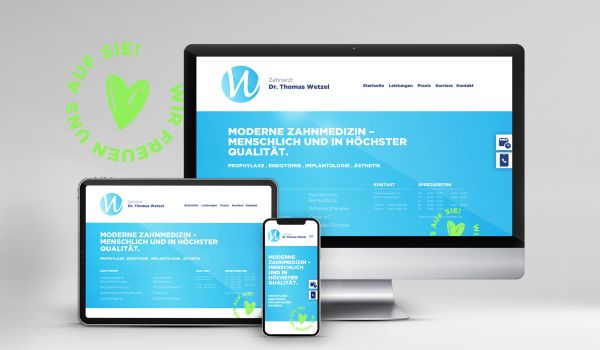
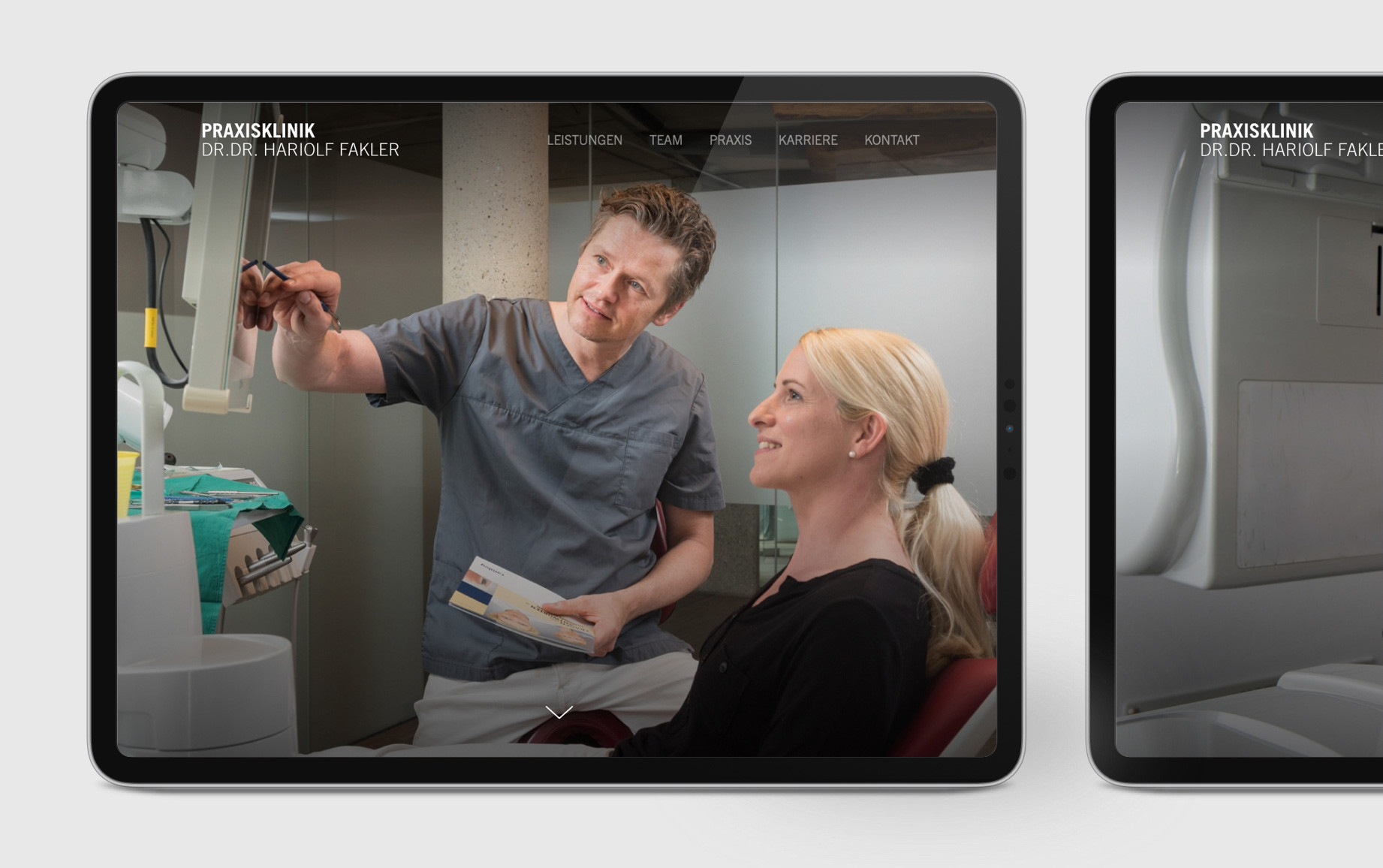
- Website: the digital front door, with a clear structure, fast loading times, and appointment booking. What it should be able to do in 2026 is described in the article on a practice website relaunch.
- Local visibility: Google Business Profile, consistent practice data, and reviews decide whether you appear in the map view. The basics are in Local SEO for practices.
- Practice premises and signage: wayfinding on site that makes your brand tangible in the space.
- Recruiting: skilled professionals choose employers who present themselves in a professional, coherent way. How the website helps is described in skilled labor shortage in the practice.
- Patient communication: from appointment reminders to information before treatment — clear, calm, factual.
Practice marketing operates within a clearly defined legal framework. The German Law on the Advertising of Medicinal Products (HWG) and the professional codes of the medical and dental associations permit factual, profession-related information: qualifications, areas of focus, services, practice facilities. Promotional, misleading or comparative advertising, as well as promises of a cure, is not permitted. Before-and-after photos are prohibited for surgical plastic procedures that are not medically necessary. A legal review is advisable in individual cases; this article does not constitute legal advice.
What a practice marketing agency does differently from a general advertising agency
A general advertising agency does excellent work for many industries. In healthcare, additional requirements come into play where specialization pays off:
- Legal framework: texts and images are created from the outset within the HWG and professional codes, rather than being adapted afterwards.
- Appointment systems: the website can be connected to providers such as Doctolib or directly to your existing practice software, so booking and appearance fit together.
- Data protection: patient data requires particular care, from the contact form through to tracking.
- Tone of voice: texts address patients, not fellow specialists: understandable, factual, reassuring.
And when does a practice not need an agency at all? If it is a single measure — such as a well-maintained Google profile — and someone on the team has the time and enjoys it, a good deal can be handled in-house. An agency is worthwhile especially when several building blocks need to work together: for a new practice, a relaunch, or several locations.
How much does practice marketing cost?
A reliable figure only exists after a conversation about goals, practice size, and scope. Typical market ranges per building block serve as a rough orientation. They are not an offer:
- Website: from the low four-digit to the low five-digit euro range, depending on scope, number of service pages, and appointment booking.
- Corporate design and business stationery: a one-off cost that depends on scope, from the logo through to a complete visual identity.
- Local visibility and SEO: ongoing, roughly 500 to 3,000 euros per month, depending on competition and scope of work.
- Signage and photography: calculated according to rooms and effort.
- Overall concept for a new practice: often between 4,000 euros and well over 10,000 euros.
Three factors in particular drive the price: the size of the practice, the number of locations, and whether a practice is starting from scratch or reworking existing appearances. It is also important to distinguish one-off from ongoing costs: design, website, and signage are one-off (maintenance comes on top); visibility, review management, and content continue. As a rule of thumb, dental practice consultants often cite around five percent of revenue on an ongoing basis and up to ten percent in the start-up phase. That, too, is only a guideline.
Dentist, specialist, MVZ: what differs
Not every practice needs the same path:
- Dentists: self-pay services such as implants or prophylaxis are central, and competition is strong. Dedicated service pages, clear positioning, and well-maintained reviews pay off particularly here.
- Specialists: besides patients, referring physicians often matter, and long waiting times shape expectations. Reliable information and a clear path to an appointment build trust.
- MVZ: several locations need an umbrella brand that connects individual practices without taking away their own character. A robust system holds the appearance together.

How to recognize a good agency: seven criteria
These seven points help with the choice, regardless of which agency you ultimately decide on:
- References from the healthcare sector. Projects for practices, MVZ or clinics show that the specifics are understood.
- Knowledge of the German Law on the Advertising of Medicinal Products. The agency can explain what is permitted and why.
- Everything from a single source, or good partners. Whether strategy, design, website and signage are produced in-house or with established partners is secondary. What matters is a shared plan.
- A dedicated contact. One person who knows your practice and keeps the overview.
- Transparent proposals. Services, scope and prices are described in a way you can follow.
- Rights to logo and website. Usage rights and access are clearly defined and remain with you.
- Support after launch. Maintenance, updates and a reachable team after handover as well.
Practice marketing in Munich
Munich has its own rules. In Bogenhausen, Schwabing and Lehel, many practices sit close together; in many neighbourhoods the share of private patients is high; and the map view on Google is often the first filter: anyone searching for “dentist Bogenhausen” usually decides from the first results. Local visibility and a coherent appearance belong together here.
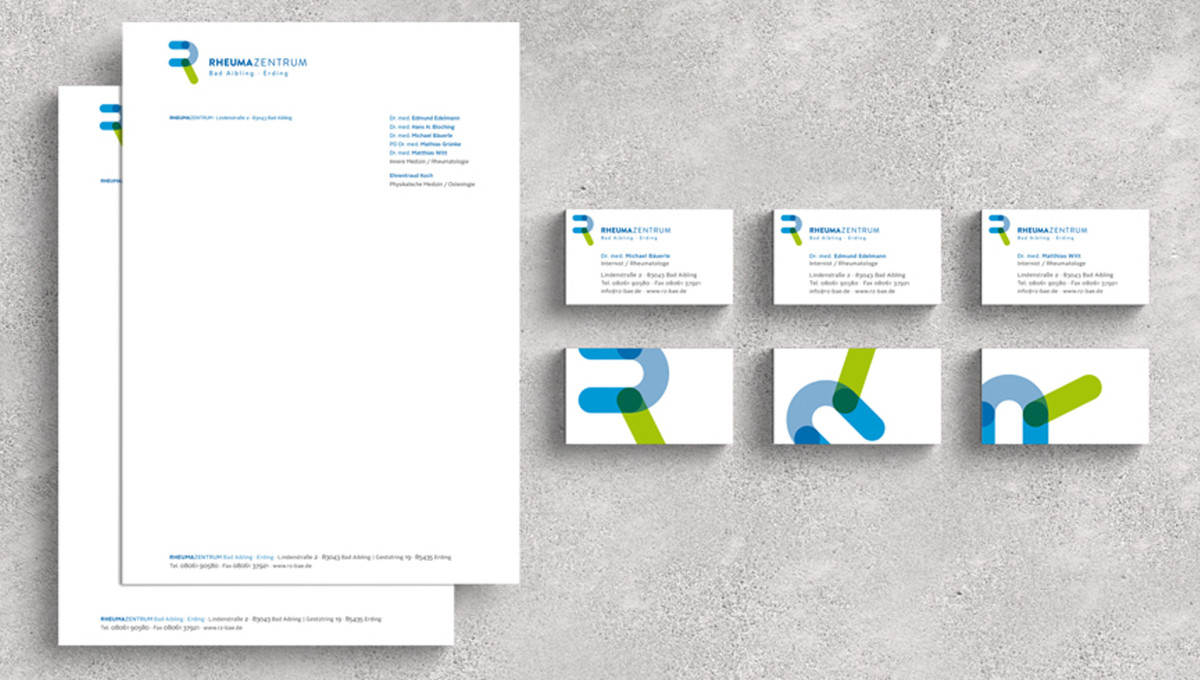
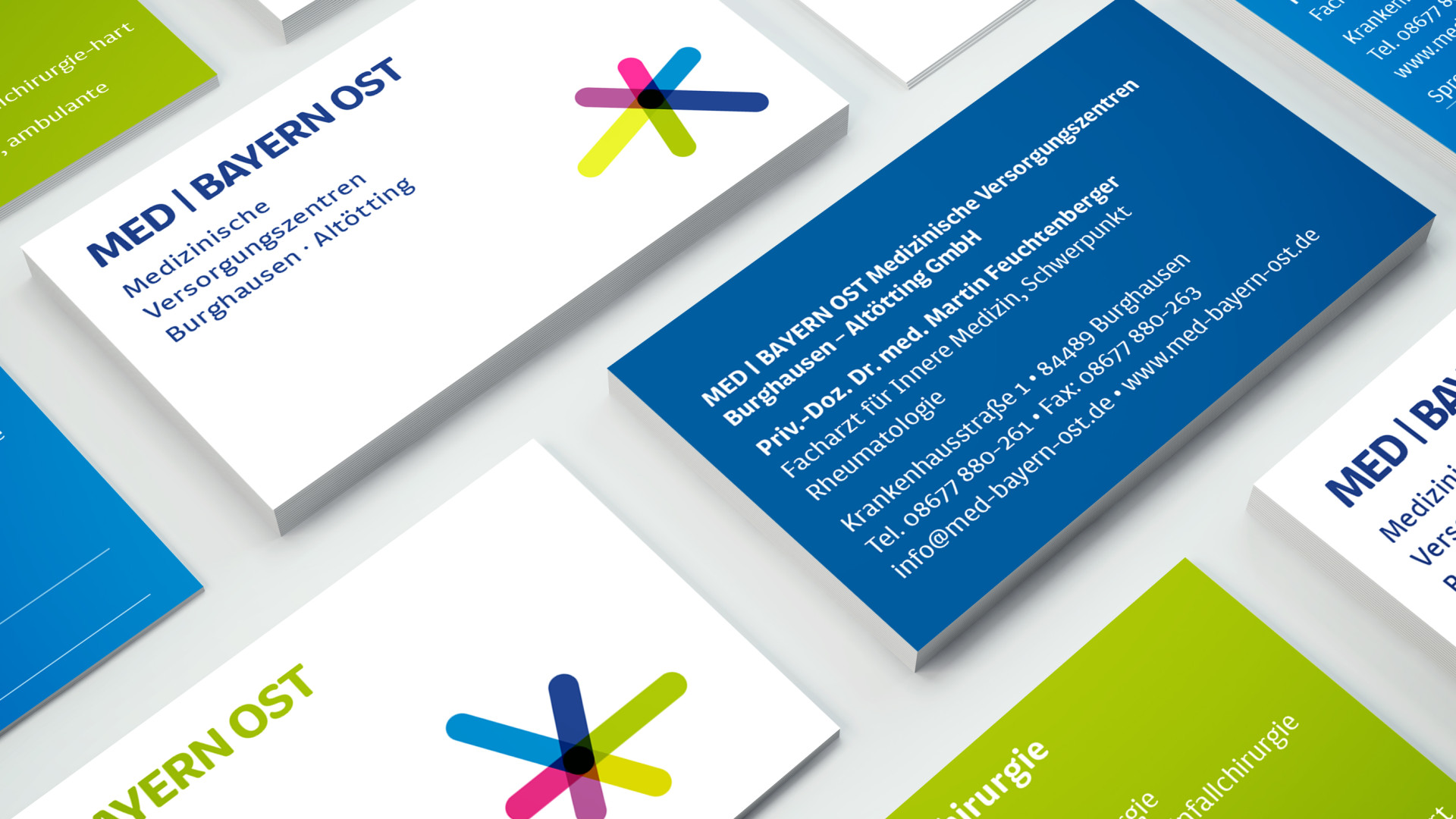
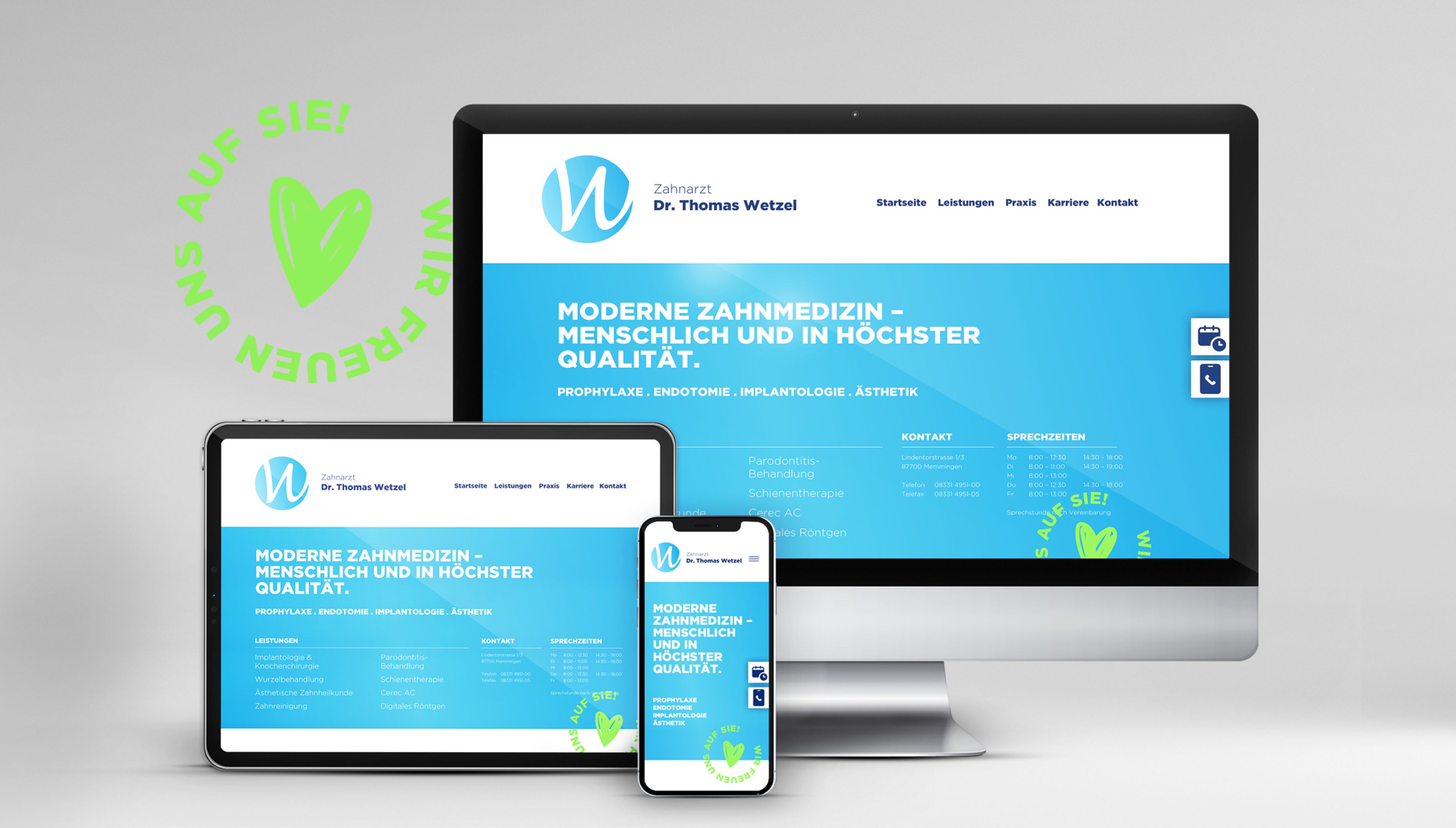
What that can look like is shown by our projects: brand and website for the private gynecology practice VitaGyn at Munich Hauptbahnhof; brand architecture, corporate design and website for the MVZ MED Bayern Ost in Burghausen; corporate design including business stationery for the ophthalmology practice Dr. Weidlich; business stationery and signage for the Rheumatology Center at its locations in Bad Aibling, Altötting and Munich. An overview of our services is on the page Practice marketing for doctors and dentists in Munich.
Conclusion
The path to the treatment room begins long before the practice door. Good practice marketing shapes every station on that path so that it feels calm, clear and trustworthy for patients. With the six building blocks, the seven criteria and the cost framework in this guide, you can judge what your practice needs and whom you want at your side. If you would like to talk it through, please get in touch — with no obligation.
Frequently asked questions
It depends on scope and goals. Broadly, one-off costs (corporate design, website, signage) can be distinguished from ongoing costs (local visibility, content, support). Orientation values are in the section “How much does practice marketing cost?”; a binding offer follows an initial conversation.
Yes, in factual form. Profession-related information on qualifications, areas of focus, and services is permitted. Promotional, misleading, and comparative advertising as well as promises of a cure are not. What counts are the German Law on the Advertising of Medicinal Products and the professional code of the relevant chamber.
Online marketing is one part of it: website, local visibility, reviews, ads. Practice marketing also covers brand, visual identity, signage, practice rooms, recruiting, and patient communication.
A new visual identity takes effect immediately, because the practice appears more coherent and professional. For visibility on Google in a market such as Munich, you should usually allow three to six months before stable rankings show.
The building blocks are the same; the weighting is different. Dentists benefit strongly from service pages for self-pay treatments and from reviews. For specialists, referring physicians and a clear path to an appointment often come first.